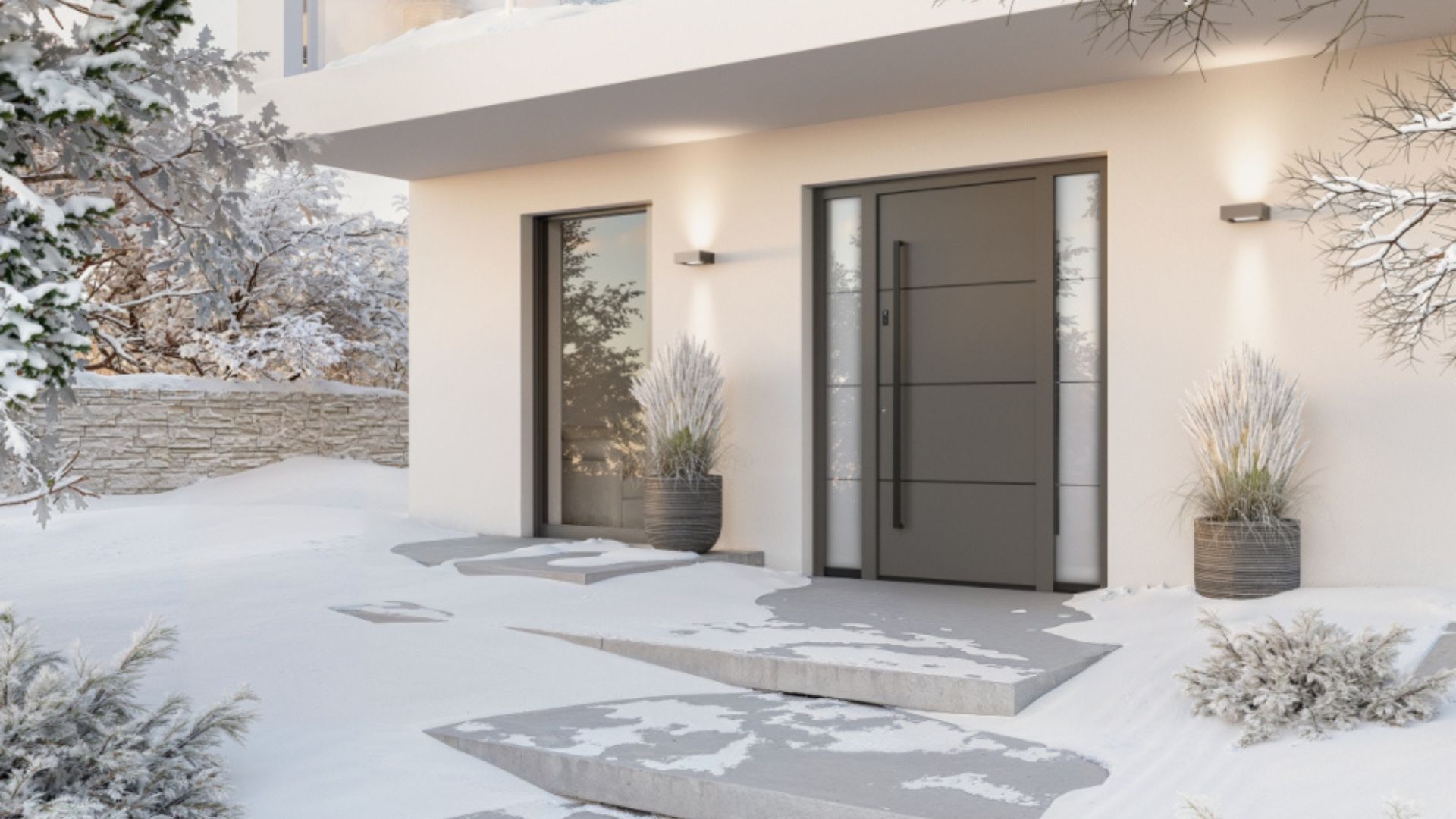
Choosing between aluminum doors and wooden doors can be a tough decision for many South African homeowners. Both options have their benefits and drawbacks, depending on your needs, location, and budget. From weather resistance to long-term value, the material you choose will impact your home’s style, comfort, and durability. This guide compares aluminum and wooden doors to help you make the best choice.
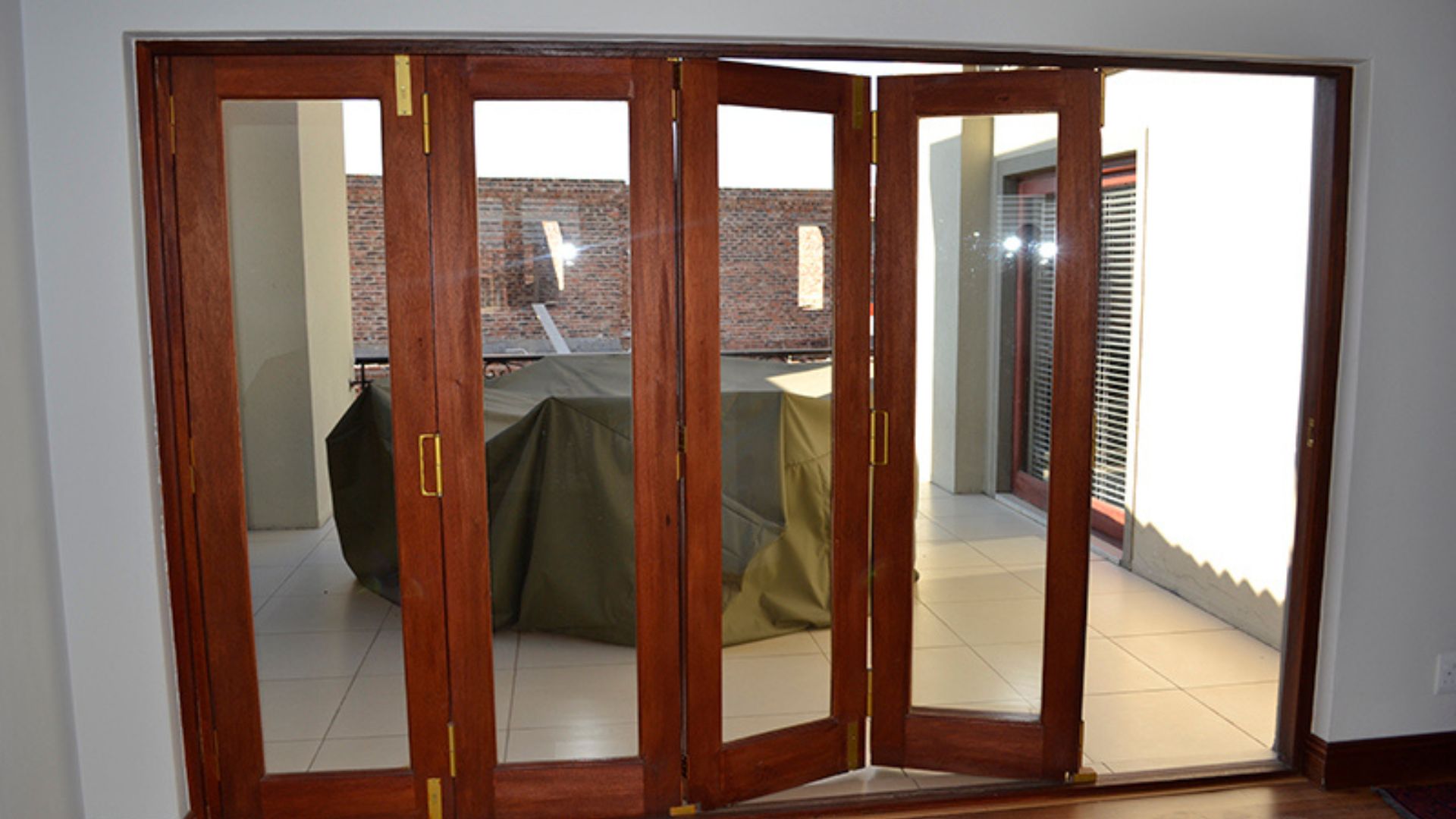
Durability in South African Conditions
Aluminum doors are highly durable, making them a smart choice for South Africa’s changing weather. They don’t swell in humid areas like Durban or crack in dry regions like the Karoo. On the other hand, wooden doors are more sensitive to moisture and temperature changes. Without regular maintenance, wood may warp, rot, or attract termites — especially in coastal cities where moisture levels are high.
Maintenance and Longevity
One of the top reasons people choose aluminum doors is the low maintenance required. A simple wipe with a damp cloth keeps them looking new. They also resist rust, peeling, and fading. Wooden doors need regular varnishing, painting, or sealing to protect them from the elements. If not properly treated, wooden doors can deteriorate quickly. In the long run, aluminum doors often outlast wooden ones in South African homes.
Aesthetic Appeal and Style
Wooden doors offer a classic, warm look that suits traditional homes and heritage properties. They come in various grains, stains, and styles that add character and charm. Aluminum doors, on the other hand, provide a sleek, modern finish. They’re ideal for contemporary houses in urban areas like Johannesburg or Cape Town. With different powder-coated colours and minimalist frames, aluminum suits trendy architectural designs perfectly.
Energy Efficiency at Home
Energy efficiency is important in any South African household, especially with rising electricity costs. Wooden doors naturally insulate well, keeping indoor temperatures stable. However, modern aluminum doors with thermal breaks and double-glazing can also perform very well. These upgrades reduce heat transfer, making aluminum more energy-efficient than it used to be. In high-temperature areas, both materials can be effective if installed properly.
Security Considerations
Aluminum doors offer strong resistance against forced entry. They support advanced locking systems and reinforced frames. Wooden doors can also be secure, but they are more prone to splitting under pressure. In areas with higher crime rates, many South African homeowners prefer aluminum for peace of mind. Adding security gates and digital locks further strengthens door security, regardless of the material.
Environmental Impact
Wood is a natural, renewable material when sourced responsibly. However, deforestation concerns and the need for chemical treatments can reduce its environmental benefits. Aluminum, although energy-intensive to produce, is 100% recyclable. In South Africa, many suppliers use recycled aluminum, which helps reduce the environmental impact. Choosing local manufacturers for either option can further lower your carbon footprint.
Cost Comparison
Cost plays a big role in any home improvement decision. Wooden doors often have a lower upfront price, especially softwood options. However, their ongoing maintenance and potential replacement costs can add up. Aluminum doors may be more expensive initially, but they last longer with minimal upkeep. Over time, aluminum often proves to be the more cost-effective option for South African homeowners.
Final Verdict: What’s Best for You?
The right choice between aluminum doors and wooden doors depends on your style preferences, budget, and location. If you want a modern, low-maintenance, and durable option, aluminum doors are the better investment. If you love natural materials and don’t mind regular upkeep, wooden doors add timeless appeal. Whatever you choose, make sure it matches your lifestyle and supports your home’s long-term comfort and value.
Related Posts
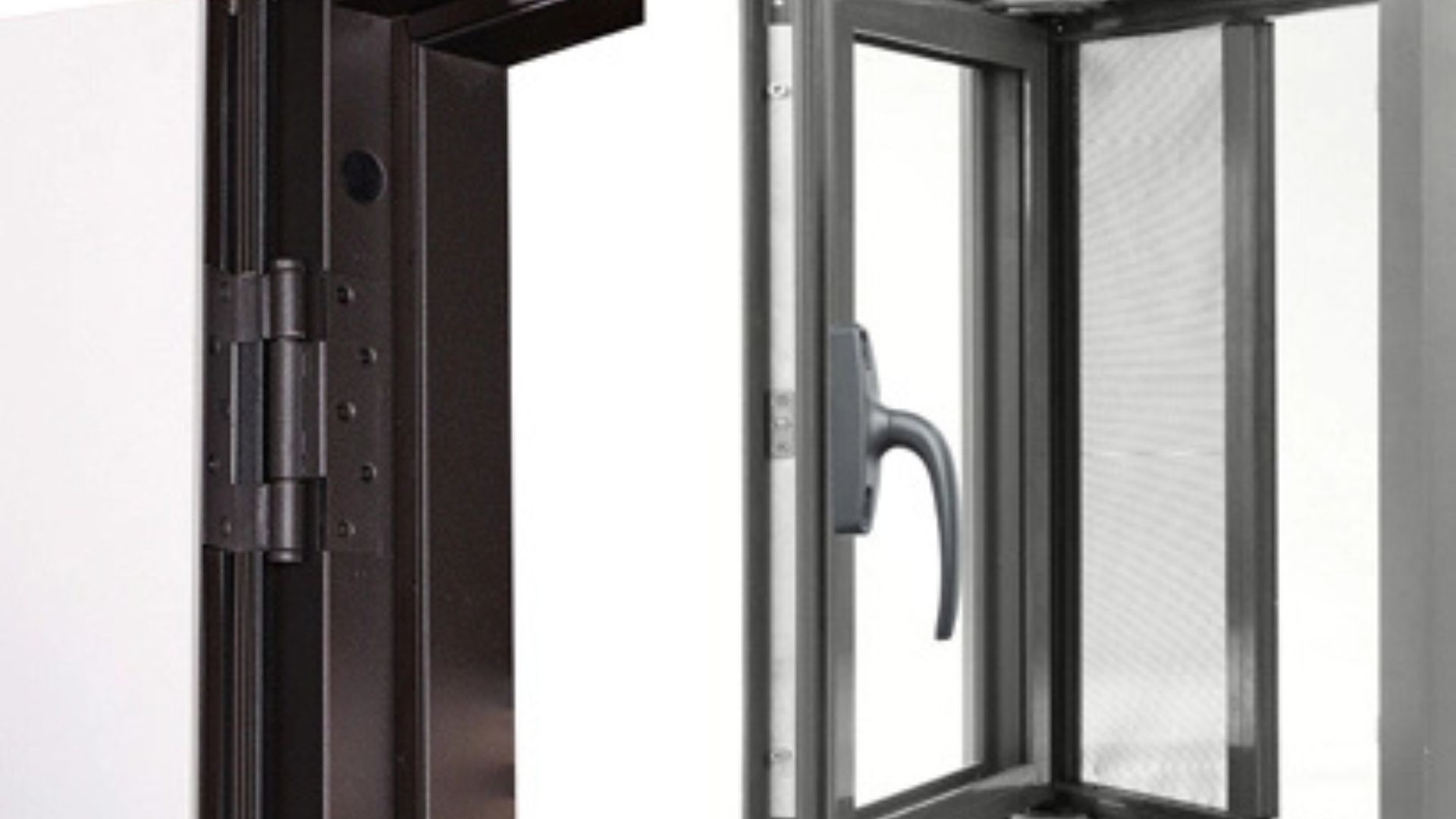
Top hardware for aluminum doors
Choosing the right hardware for aluminum doors is essential for…
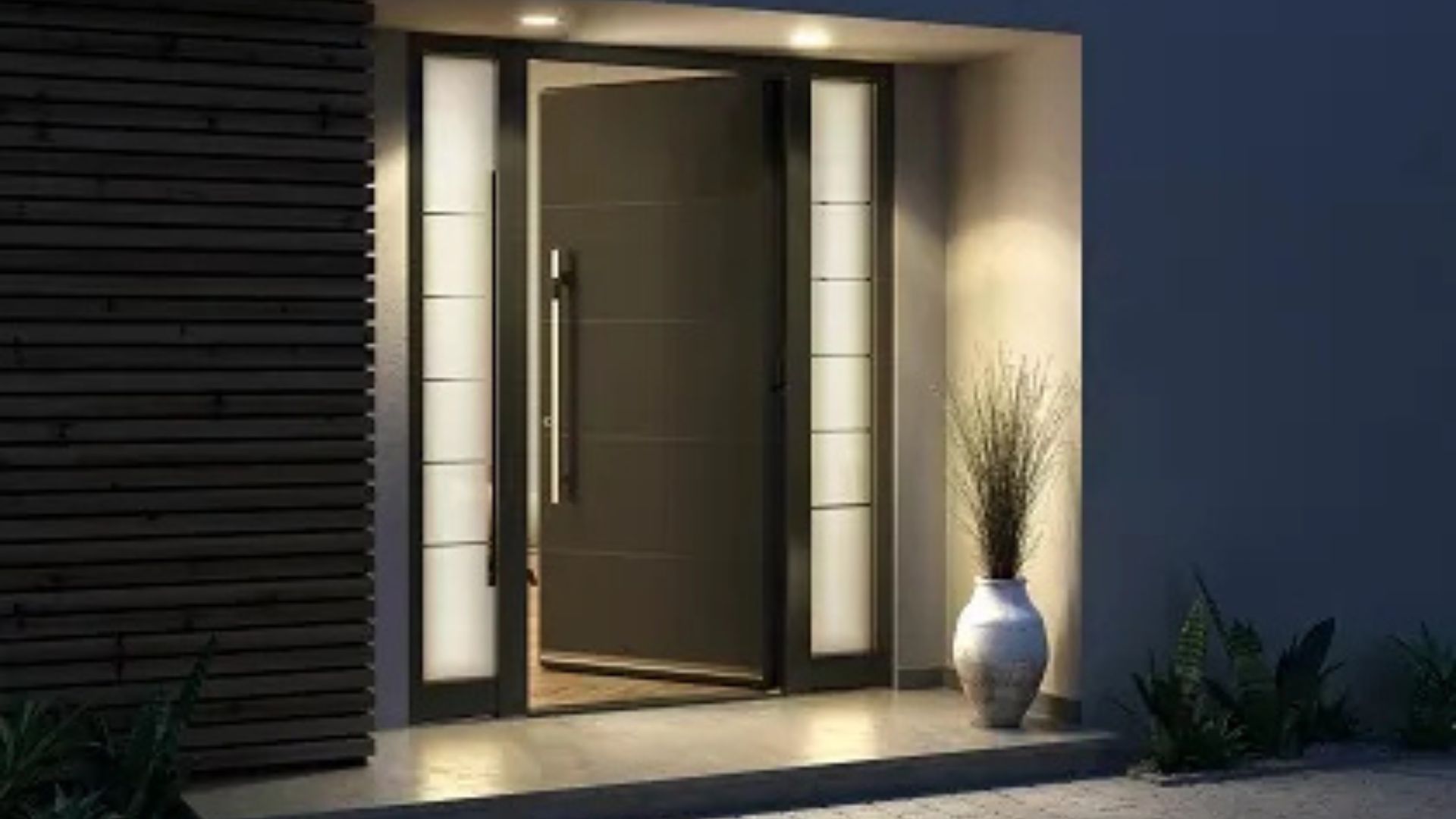
Top Locks for Aluminum Doors South Africa
Aluminum doors are a popular choice for South African homes…